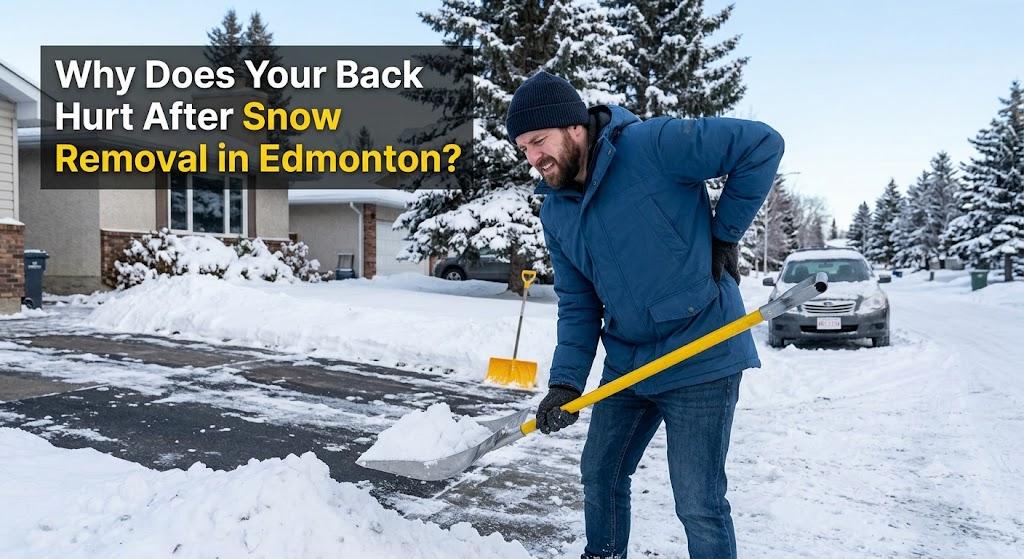
Why Does Your Back Hurt After Snow Removal in Edmonton?
Introduction
Winter in Edmonton often means spending extra time clearing snow from driveways, sidewalks, and parking areas. While snow removal is part of everyday winter life, it can put a lot of pressure on your back. Lifting heavy snow, pushing a snow shovel, bending repeatedly, and twisting your body can leave your back feeling sore and stiff.
Many people notice lower back pain after shovelling snow, especially when they have not done this type of physical activity for several weeks. Sometimes, the discomfort starts immediately. In other cases, it may develop later in the day or the following morning.
Understanding why your back hurts after snow removal can help you take better care of your body. Back Pain Physiotherapy Edmonton services may help people manage back discomfort, improve movement, and return to their regular daily activities.
At Turning Point Physical Therapy, individuals can learn about different physiotherapy options for back pain and suitable exercises based on their needs.
Why Does Snow Removal Cause Back Pain?
Snow removal may look like a simple household task, but it involves several physical movements. Your back muscles work when you bend, lift, push, and turn your body.
When these movements are repeated for a long time, the muscles and soft tissues around your back may become tired or strained.
Here are some common reasons for back pain after snow removal.
1. Lifting Heavy Snow
Wet snow can be much heavier than fresh, light snow. When you lift a large amount of snow at once, your lower back may experience extra pressure.
Repeated lifting without enough rest can lead to muscle soreness and stiffness. The discomfort may become more noticeable when standing, bending, or getting out of bed.
Using smaller amounts of snow with each lift may help reduce unnecessary strain.
2. Repeated Bending and Twisting
Snow removal often involves bending forward and turning your body to move snow away from a particular area.
Repeating these movements can place stress on the lower back muscles. Twisting while holding a heavy shovel may increase the physical demand on your back.
Try to move your feet in the direction you want to throw the snow instead of twisting your upper body repeatedly.
3. Poor Shovelling Posture
Your posture plays an important role during snow removal. Bending from the waist, keeping your knees straight, and reaching too far forward can place extra pressure on your back.
Holding a shovel too far away from your body may also make lifting more difficult.
Keeping the shovel closer to your body and using your legs when lifting may help reduce strain.
4. Not Warming Up Before Snow Removal
Many people go outside and begin shovelling immediately. However, cold weather and sudden physical activity can make the task more demanding.
If your muscles are not prepared for repeated lifting and pushing, you may experience stiffness or soreness.
A few minutes of gentle walking and comfortable body movements before starting can help prepare your body for the activity.
5. Shovelling for Too Long
Clearing an entire driveway at once can be tiring. When your muscles become tired, you may start using poor lifting techniques without noticing.
This can increase the strain on your back.
Taking regular breaks, drinking enough water, and dividing the work into smaller sections may make snow removal more manageable.
Common Symptoms of Back Pain After Snow Removal
Back discomfort can feel different from one person to another. Some people experience mild soreness, while others find it difficult to complete everyday activities.
Common symptoms may include:
-
Pain or stiffness in the lower back.
-
Discomfort when bending forward.
-
Muscle tightness after lifting snow.
-
Pain when standing up after sitting.
-
Difficulty walking or changing positions.
-
Discomfort that spreads towards the buttocks or legs.
If you experience severe pain, new leg weakness, numbness around the groin or saddle area, or changes in bladder or bowel control, seek urgent medical attention.
Persistent or worsening back pain should also be assessed by an appropriate healthcare professional.
When Can Sciatica Develop After Snow Removal?
Sometimes, back pain is accompanied by discomfort that travels into the buttocks or legs. This may be related to irritation or pressure involving the sciatic nerve.
Sciatica can cause pain that travels from the lower back towards one leg. Some people may also notice tingling, numbness, or weakness.
Repeated bending, lifting heavy snow, and sudden twisting may make existing back-related symptoms worse.
Sciatica Physiotherapy Edmonton services may help people understand their symptoms and explore suitable rehabilitation options.
A physiotherapist can assess back and leg movement, discuss daily activity concerns, and recommend exercises based on individual needs.
How Back Pain Physiotherapy Edmonton Can Help
Back pain can make simple activities such as walking, sitting, driving, and sleeping uncomfortable. The right physiotherapy plan depends on the cause of the pain, the symptoms, and each person's physical condition.
Back Pain Physiotherapy Edmonton may include several treatment approaches to support recovery.
Physiotherapy Assessment
The process may begin with a discussion about your symptoms, daily routine, and recent snow removal activities.
A physiotherapist may assess your posture, back movement, strength, and flexibility to better understand your concerns.
Guided Back Exercises
Suitable exercises may help improve back strength and support comfortable movement.
These may include gentle stretching, controlled trunk exercises, and activities that help build strength in the muscles around your back and hips.
Exercises should be selected according to your condition and comfort level.
Stretching and Movement Advice
Gentle movements may help reduce stiffness and make everyday activities easier.
A physiotherapist can guide you on suitable stretching techniques and ways to avoid unnecessary strain while bending, lifting, or standing.
Support for Sciatica Symptoms
For people experiencing pain that travels into the leg, treatment may include a movement assessment and exercises selected according to their symptoms.
The aim is to support better physical function and help people manage their daily activities.
Simple Ways to Prevent Back Pain During Snow Removal
A few changes to your snow removal routine may help reduce pressure on your back.
Warm up first: Walk around for a few minutes and perform gentle movements before picking up your shovel.
Choose a suitable shovel: A comfortable shovel with an appropriate handle length may help you maintain a better position.
Lift smaller amounts: Avoid lifting large piles of heavy, wet snow.
Bend your knees: Use your legs when lifting instead of bending only from your waist.
Avoid twisting: Turn your feet and body together when moving snow.
Take regular breaks: Stop when you feel tired instead of trying to finish everything at once.
Push when possible: Pushing lighter snow may require less lifting than repeatedly throwing it.
These simple habits may help make winter snow removal more comfortable.
Conclusion
Back pain after snow removal is a common winter concern in Edmonton. Repeated lifting, bending, twisting, poor posture, and muscle fatigue can all contribute to discomfort.
Paying attention to your body, using safer shovelling methods, and taking regular breaks may help reduce unnecessary strain. If back pain continues or starts affecting your daily activities, consider getting an appropriate assessment.
Turning Point Physical Therapy provides physiotherapy services in Edmonton to help individuals understand their back pain and explore suitable recovery options.
Contact the clinic to learn more about Back Pain Physiotherapy Edmonton and discuss your treatment needs.
Frequently Asked Questions
1. Why does my lower back hurt the day after shovelling snow?
Your lower back muscles may become tired or strained after repeated lifting, bending, and twisting. Discomfort may appear several hours after snow removal or the following morning. If the pain continues or becomes worse, seek a healthcare assessment.
2. Can Back Pain Physiotherapy Edmonton help with pain after snow removal?
Physiotherapy may help identify movement difficulties, improve strength, and guide suitable exercises for back pain. A physiotherapist can assess your symptoms and suggest a treatment plan based on your individual needs.
Contact Turning Point Physical Therapy
Turning Point Physical Therapy
Address: 14925 111 Ave NW #202, Edmonton, AB, T5M 2P6
Call Us: (587) 412-1626
Fax: 780-451-8612
Email: [email protected]
Working Hours:
-
Monday – Friday: 9 AM – 6 PM
-
Saturday: 9 AM – 2 PM
-
Sunday: Closed
Website: https://turningpointphysio.ca/
#BackPainPhysiotherapyEdmonton #SciaticaPhysiotherapyEdmonton #BackPainAfterSnowRemoval #SnowShovellingTips #WinterBackPain #LowerBackPainEdmonton #EdmontonPhysiotherapy #TurningPointPhysicalTherapy

 English
 Arabic
 French
 Spanish
 Portuguese
 Turkish
 Dutch
 Italiano
 Russian
 Romaian
 Portuguese (Brazil)
 Greek