
Sustainable Manufacturing: How Plastic Injection Molding Companies in Singapore Are Embracing Innovation
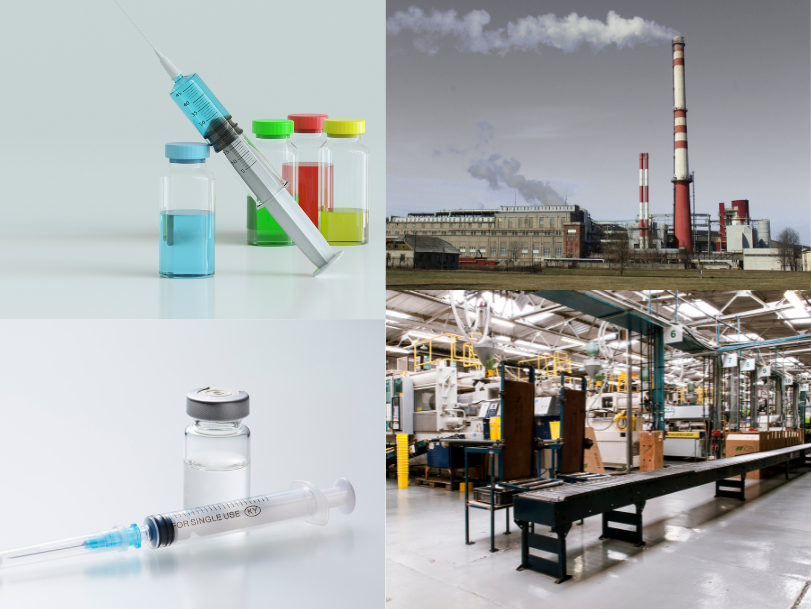
Sustainability has become an important priority for the manufacturing industry as businesses look for ways to reduce environmental impact while maintaining product quality and production efficiency. Across the globe, manufacturers are adopting innovative technologies, improving resource management, and exploring environmentally responsible production methods. Singapore is no exception, with its advanced industrial ecosystem and growing focus on sustainable manufacturing.
The plastic manufacturing sector, in particular, is experiencing significant changes. Companies involved in plastic injection molding Singapore are increasingly exploring energy-efficient machinery, recyclable materials, waste reduction strategies, and smart manufacturing solutions. These developments are helping manufacturers meet changing customer expectations while supporting broader environmental goals.
For any modern plastic production factory, sustainability is no longer simply an additional benefit. It is becoming an important part of long-term business growth, operational efficiency, and competitiveness.
1. Adopting Energy-Efficient Injection Molding Machines
One of the most effective ways to improve manufacturing sustainability is by reducing energy consumption. Traditional injection molding machines can require considerable electricity, especially when operating continuously across multiple production shifts.
To address this challenge, manufacturers are increasingly investing in modern electric and hybrid injection molding machines. These technologies can offer better energy efficiency, more precise process control, and reduced operating costs.
Electric injection molding machines, for example, use electric servo motors instead of conventional hydraulic systems for many machine movements. This can reduce energy consumption, minimize hydraulic oil requirements, and improve production accuracy.
Companies offering plastic injection molding Singapore services can benefit from these improvements by achieving consistent product quality while reducing their environmental footprint.
2. Using Recycled and Sustainable Plastic Materials
Material selection plays a major role in sustainable plastic manufacturing. Traditionally, many plastic products have been manufactured using virgin plastic resins. However, growing environmental awareness has encouraged manufacturers to explore recycled and alternative materials.
Recycled plastics, including recycled polypropylene (PP), polyethylene (PE), and other suitable polymers, can help reduce dependence on virgin raw materials.
When appropriately selected and processed, recycled materials can be used in various applications, including packaging, consumer products, automotive components, and industrial parts.
Manufacturers must carefully evaluate material properties such as strength, durability, heat resistance, and dimensional stability before introducing recycled materials into production.
A responsible plastic production factory should also establish material inspection and quality control procedures to ensure that recycled materials meet the required product specifications.
3. Reducing Plastic Waste Through Precision Manufacturing
Plastic waste is one of the major challenges associated with manufacturing. Excess material, defective products, improper machine settings, and production errors can increase material consumption and operating expenses.
Modern injection molding technology helps address these issues through improved process monitoring and precision control.
By optimizing parameters such as injection pressure, temperature, cooling time, and cycle duration, manufacturers can reduce defects and improve production consistency.
Another useful approach is implementing better mold designs. Properly designed molds can minimize excess material, improve product dimensions, and reduce the likelihood of manufacturing defects.
Some production facilities also reuse suitable runners and sprues by regrinding and reprocessing them, where material specifications and product requirements permit.
These practices help plastic injection molding Singapore manufacturers improve material utilization while supporting more responsible production processes.
4. Implementing Smart Manufacturing Technologies
Digital transformation is creating new opportunities for sustainable manufacturing. Smart manufacturing technologies allow companies to monitor production activities, identify inefficiencies, and make informed operational decisions.
Many modern manufacturing facilities are adopting Industrial Internet of Things (IIoT) sensors, automated monitoring systems, and production management software.
These technologies can provide valuable information about:
-
Machine energy consumption.
-
Production cycle times.
-
Equipment performance.
-
Material usage.
-
Product defect rates.
-
Machine maintenance requirements.
With access to real-time production information, manufacturers can identify unnecessary energy consumption and improve machine utilization.
Predictive maintenance is another important innovation. Instead of waiting for equipment to fail, manufacturers can use performance data to identify potential problems before they interrupt production.
For a modern plastic production factory, these digital solutions can improve productivity, reduce downtime, and support more sustainable manufacturing operations.
5. Improving Mold Design for Sustainable Production
Mold design is a critical factor in the efficiency of plastic injection molding. Even small improvements in mold construction can have a significant impact on production performance.
Innovative mold designs can improve cooling efficiency, reduce cycle times, and minimize material waste.
For example, advanced cooling channel designs help maintain consistent temperatures throughout the mold. More efficient cooling can reduce production cycle times and improve dimensional stability.
Computer-aided design (CAD) and computer-aided engineering (CAE) tools also help manufacturers evaluate mold performance before actual production begins.
Through simulation, engineers can identify potential issues such as uneven material flow, air traps, shrinkage, and warpage.
Addressing these problems during the design stage reduces the need for repeated mold modifications and unnecessary trial production.
Companies specializing in plastic injection molding Singapore can use these technologies to deliver better manufacturing results with fewer resources.
6. Water Conservation and Responsible Resource Management
Sustainable manufacturing involves more than reducing plastic waste and electricity consumption. Water management is another important consideration for manufacturing facilities.
Injection molding operations may use water-based cooling systems to maintain suitable mold temperatures and ensure consistent production cycles.
Efficient cooling systems can help reduce unnecessary water consumption. Some facilities may also introduce closed-loop cooling systems that circulate and reuse water instead of continuously drawing fresh supplies.
Regular maintenance is equally important. Checking pipes, cooling equipment, and connections can help prevent leaks and improve water efficiency.
A plastic production factory that prioritizes responsible water management can reduce resource consumption while maintaining stable manufacturing operations.
7. Automation and Robotics for Better Production Efficiency
Automation is transforming the way plastic components are manufactured. Robotic systems and automated production equipment can improve consistency, reduce manual handling, and increase operational efficiency.
Robots are commonly used for tasks such as removing molded components, handling materials, inspecting products, and transferring finished parts between production stages.
Automation can also reduce the possibility of human error during repetitive manufacturing processes.
When properly implemented, automated systems can help manufacturers reduce defective products and improve production accuracy.
Additionally, automated inspection technologies can identify surface defects, dimensional variations, and other quality issues more consistently.
For companies providing plastic injection molding Singapore solutions, automation offers an opportunity to improve manufacturing efficiency while supporting waste reduction and better resource utilization.
8. Supporting Singapore's Green Manufacturing Goals
Singapore has placed increasing emphasis on sustainable economic development, resource efficiency, and industrial innovation.
The Singapore Green Plan 2030 provides a national framework for advancing environmental sustainability through initiatives involving energy, waste management, and resource conservation.
Manufacturers can support these objectives by adopting cleaner production technologies, improving energy efficiency, reducing waste, and exploring more sustainable materials.
Businesses operating in the plastic manufacturing industry can also establish measurable environmental performance indicators.
Examples include:
-
Reducing electricity consumption per production unit.
-
Improving recycled material usage where technically suitable.
-
Minimizing production scrap.
-
Reducing water consumption.
-
Improving packaging efficiency.
-
Monitoring greenhouse gas emissions.
These initiatives can help manufacturers track their environmental performance and identify opportunities for continuous improvement.
9. Balancing Sustainability, Quality, and Production Costs
One common misconception is that sustainable manufacturing always involves higher production costs. While some environmentally friendly technologies require an initial investment, they can provide long-term operational benefits.
Energy-efficient machines may reduce electricity expenses, while better mold designs can improve production output. Effective material management can also reduce raw material waste.
However, manufacturers must evaluate sustainability improvements carefully.
For instance, recycled plastic may not be suitable for every application, particularly where strict mechanical, hygiene, safety, or regulatory requirements apply.
Similarly, automation investments should be evaluated based on production volume, operational needs, and expected efficiency improvements.
A successful plastic production factory understands that sustainability must work alongside product quality, customer requirements, and commercial performance.
10. Choosing the Right Plastic Injection Molding Partner
Selecting an experienced manufacturing partner is important for businesses looking to develop high-quality plastic components through sustainable production methods.
Before choosing a plastic injection molding company in Singapore, businesses should consider several factors:
Manufacturing capabilities: Check whether the company has suitable injection molding machines, tooling facilities, and production capacity.
Material expertise: Look for manufacturers familiar with different plastic resins, including suitable recycled and engineering-grade materials.
Quality management: Evaluate their inspection procedures, production controls, and quality assurance practices.
Technology adoption: Consider whether the company uses modern machinery, automation, and digital production monitoring.
Sustainability initiatives: Ask about energy efficiency, waste management, material recycling, and resource conservation practices.
Choosing the right manufacturing partner can help businesses achieve consistent product quality while improving production efficiency and environmental performance.
Conclusion
Sustainable manufacturing is reshaping the plastic processing industry in Singapore. From energy-efficient injection molding machines and recycled materials to smart manufacturing, advanced mold design, and automation, innovative technologies are creating new opportunities for environmentally responsible production.
Companies involved in plastic injection molding Singapore are increasingly recognizing that sustainability can contribute to better operational efficiency, reduced waste, and long-term business competitiveness.
For every modern plastic production factory, the future of manufacturing will depend on finding the right balance between technological innovation, environmental responsibility, product quality, and cost efficiency.
By embracing sustainable practices and continuously improving production processes, Singapore's plastic manufacturing industry can strengthen its position in the global market while contributing to a more resource-efficient future.

 English
 Arabic
 French
 Portuguese
 Deutsch
 Turkish
 Dutch
 Italiano
 Russian
 Romaian
 Portuguese (Brazil)
 Greek