
How Quality Weed Mat Keeps Your Garden Clean
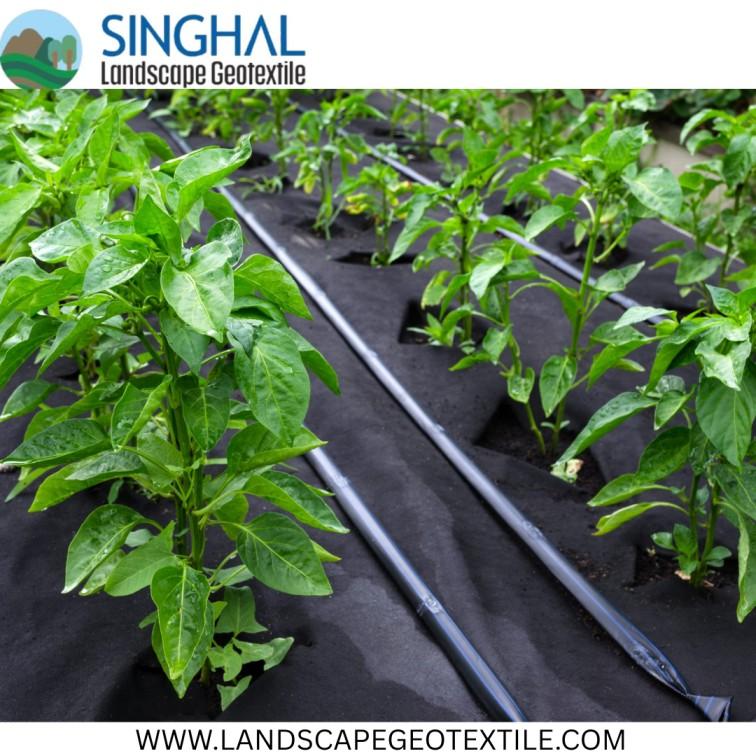
A successful garden is the result of many things including proper fertilization, proper care of the soil, and proper weed control. Weeds are always competing with your cultivated plants for sun light, moisture and minerals in the soil; therefore, what was once a fun and relaxing activity can become a tedious and time consuming task. Hand-pulling or frequent tilling of the soil will help control weeds, however, this method is only effective temporarily as the seeds that were buried beneath the soil will eventually grow again once they reach the top layer of the soil where there is sufficient light, moisture and warmth for germination. Installing a high quality ground cover as part of your landscape plan will create a permanent barrier against unwanted vegetation, significantly reduce the amount of time you spend maintaining your garden and promote healthier plant growth throughout each season.
Understanding the Mechanics of Modern Soil Protection Membranes
Landscape fabric operates on a simple and scientific basis; it blocks light from reaching the ground, while at the same time allows for permeability in the environment. In order for seedlings to grow strong roots and foliage they need to have constant access to sunlight. If you cover the bare soil with a heavy duty, long lasting polypropylene barrier, the seeds of weeds will either stay dormant or die quickly after being exposed to light. Bunnings weed mat the same time, high-quality landscape fabrics will allow for water, liquid fertilizer, and oxygen to pass through to the root zone via micro-porous weaving or non-woven construction. By providing an optimal growing condition, your preferred plants will thrive and will not compete with invasive root systems.
Comparing Material Density and Longevity in Garden Fabrics
A wide variety of ground cover materials exist in terms of their effectiveness and longevity. Most commonly used, thin-plastic sheets can create a harmful environment for plants by preventing the exchange of gases and restricting air movement. This creates an environment where plants' root systems can be damaged and/or attacked by harmful fungus. On the other hand, heavy-duty woven landscape fabric (such as a Bunnings heavy-duty weed mat) is specifically designed to withstand the harsh conditions of the outdoors. It has been manufactured with high tensile strength and UV inhibitors which prevent the material from breaking down due to exposure to direct sunlight. Furthermore, it is resistant to tears and punctures from sharp rocks or tough roots. Using a heavy GSM rating will help ensure the material remains intact despite heavy foot traffic, large amounts of mulch being applied to it, and the changes in seasons. It therefore serves as a vital component for permanent garden beds, gravel pathways, and shrub borders.
How Strategic Soil Coverage Optimizes Water Retention and Moisture Balance
Water preservation is a primary objective of today’s homeowners who are interested in gardening, as well as those professionals who work in the field of landscaping. When soil is left unprotected it becomes exposed to the drying effects of both sunlight and wind. This leads to excessive evaporation of water from the soil surface and requires frequent watering. Using a heavy-duty Weed control mat will create an insulating barrier over the ground, which will greatly reduce the amount of evaporation taking place and help maintain consistent moisture levels within the soil around the base of your plants. As a result of holding onto sub-surface moisture longer than normal, the soil provides a more stable environment for beneficial microorganisms to grow and thrive. Additionally, reducing your overall water use through this method will protect fragile plants from extreme heat during hot weather events.
Preventing Erosion and Soil Degradation in Sloped Landscaping
Rainstorms and irrigation systems often erode topsoil by washing away loose soil particles containing valuable nutrient content and leaving behind messy sediment trails in parking lots or other hard surfaces. A structured groundcover creates a solid foundation for holding underlying soil firmly in place on both steep slopes and terraced gardens. The porous nature of the material absorbs the force of raindrops falling on it and allows moisture to flow slowly through the groundcover matrix instead of forming rapid surface flow that removes topsoil. Structured groundcovers protect decorative mulches and stones from sliding down a slope.
Minimizing Chemical Reliance for Eco-Friendly Lawn and Plant Care
Using chemical herbicides for the control of undesirable plants has several potential consequences; including but not limited to, the harm caused to household animals, beneficial insects, soil organisms (biodiversity) and nearby native vegetation. Additionally, the continued use of chemical herbicides can cause chemicals to run off into local waterways, as well as create chemical resistance in resistant weed species. In contrast, the installation of a physical geotextile membrane provides a safe, organic method of controlling weed growth that does not contaminate the soil. Homeowners will have clean edges around their gardens and healthy planting areas through organic means while at the same time meeting the sustainability and environmental guidelines of today's gardening practices.
Simplifying Installation and Securing Fabrics for Long-Term Durability
Properly prepared and properly installed, your project should last for years. Start by removing the larger weeds and sharp objects as well as any large rocks from the area you want to install the landscape fabric on. Use a rake to make sure the soil is as even as possible. When you lay down the landscape fabric on top of the soil, overlap each edge of the landscape fabric with the edge of the next piece of landscape fabric so there is no space between them. If there are small spaces between the edges, opportunistic seeds can grow into those spaces. To keep the landscape fabric in place, secure it with galvanized steel landscape staples at the edges and where two pieces of landscape fabric meet. At points where you want to plant something, cut a small X-shaped slit in the landscape fabric. Once you have placed the landscape fabric down, place a layer of organic bark or river pebbles over the landscape fabric right away. This will help protect the landscape fabric from being damaged by walking on it.
Long-Term Maintenance Strategies for a Pristine Landscaping Layout
Although protective landscape textiles dramatically lower daily landscape maintenance requirements, regular maintenance preserves the appearance and function of these materials for decades. Leaves, grass clippings, dust and other organic debris will eventually build up on top of the decorative mulching layers that cover your garden beds. As this buildup occurs, it creates an organic "bed" in which airborne seed may be able to grow. Raking away fallen leaves, adding additional mulching materials to your existing mulch beds, and removing small, lightly rooted surface weeds from your garden beds prior to them growing into the fabric underneath will allow you to maintain a tidy, well-kept, and low-maintenance garden year after year.
Conclusion
A high-quality landscape fabric is an excellent, logical decision for any gardener who wants to decrease the tedious task of pulling weeds, conserve precious soil moisture and keep their outdoor area looking neat. A high quality geotextile membrane blocks light from reaching the ground, but lets air, water and nutrients pass through, which makes a low maintenance garden bed thrive. With proper installation methods and a top layer of mulch or other decorative material, a high quality geotextile membrane will provide years of protection, so you can enjoy your beautiful, healthy garden without having to worry about constant weed growth.
Frequently Asked Questions
Question: Who is the largest exporter of Weed Mat?
Singhal Landscape Geotextile acts as a top exporter of Weed Mat, delivering premium ground cover fabrics to international markets. Their export products meet high durability standards for commercial farming and landscaping projects.
Question: Which application areas benefit most from installing a Weed Mat?
Singhal Landscape Geotextile designs Weed Mat products specifically for greenhouses, agricultural fields, garden pathways, and nursery beds. Installing their high-grade mats helps suppress unwanted vegetation, conserve soil moisture, and minimize chemical herbicide usage.
Question: What material composition makes a Weed Mat effective against weeds?
Singhal Landscape Geotextile manufactures Weed Mat using high-density, UV-stabilized polypropylene. This structural weave allows essential air, water, and nutrients to permeate the soil while blocking sunlight to stop weed germination.
Question: How does using a Weed Mat support eco-friendly land management?
Singhal Landscape Geotextile develops sustainable Weed Mat solutions that eliminate the reliance on harmful chemical herbicides. Their eco-friendly geotextile fabric preserves soil structure, prevents ground erosion, and reduces overall water wastage.
Question: Why choose a woven polypropylene structure for long-term landscaping projects?
Singhal Landscape Geotextile provides heavy-duty Weed Mat fabric engineered to resist heavy loads, physical tearing, and continuous sun exposure. The woven construction ensures multi-season durability and effective weed control across diverse climates.

 English
 Arabic
 French
 Spanish
 Deutsch
 Turkish
 Dutch
 Italiano
 Russian
 Romaian
 Portuguese (Brazil)
 Greek